Cooperative
Interactive
Vehicles

Summer School 2026

About

The Sixth Edition of the Summer School on Cooperative Interacting Vehicles will take place in Miyazaki City, Japan, from August 31 to September 4, 2026. This edition brought together Ph.D. students and early-career professionals from universities, research institutions, and industry for an immersive week of learning and collaboration. The program featured lectures, poster presentations, tutorials, and interactive sessions on:

  • Cooperative Perception and Motion Planning
  • Implicit and Explicit Interaction
  • Modeling and Data-Driven Methods (including AI)

The Summer School was jointly organized by leading institutions MINES ParisTech (PSL University, France), Karlsruhe Institute of Technology (KIT, Germany), UC Berkeley (USA), the University of Tokyo (Japan), and the German University in Cairo (Egypt). We also extend our gratitude to the IEEE Intelligent Transportation Systems Society (ITSS) for their valuable support.


Participants benefitted not only from high-level academic and industry insights but also from a comprehensive experience that included on-site accommodation, catering, and engaging social activities.


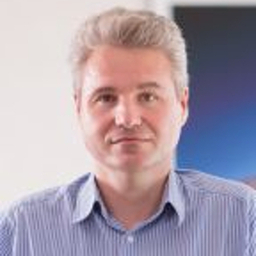
General Chair: Prof. Arnaud de La Fortelle (France)

Organizing Committee:

  • Prof. Christoph Stiller, KIT (Germany)
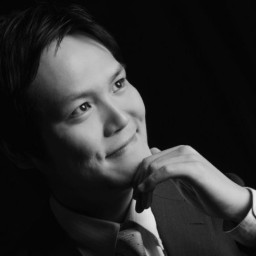
  • Prof. Manabu Tsukada, University of Tokyo (Japan)
  • Prof. Scott Moura, UC Berkeley (USA)
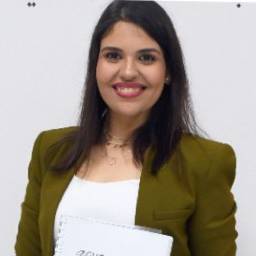
  • Dr Catherine Elias, German University in Cairo (Egypt)
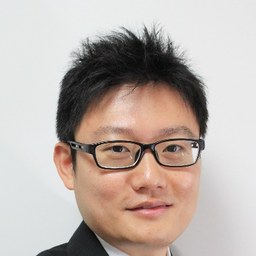
  • Dr Matthieu Carré (France)


Updates: Applications for the CIV Summer School 2026 are now closed. We warmly thank everyone who applied. We look forward to welcoming the selected participants to Miyazaki this summer.

Organizing Committee, Lecturers & Advisors
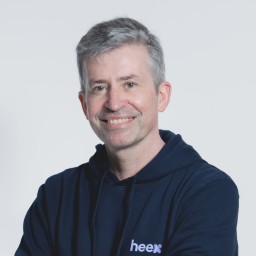
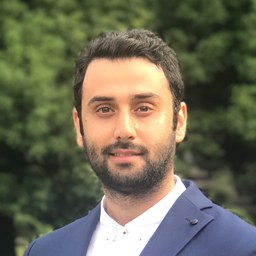
Arnaud de La Fortelle
General Chair & Lecturer

Dr. Arnaud de La Fortelle is co-founder and CTO of Heex Technologies. He designed the vision and the technology behind Smart-Data Management, a powerful way to address current and future Big Data limitations, especially needed for autonomous systems like Autonomous Driving, ADAS, Industry 4.0, or Smart Cities.
Arnaud has been professor and director (2008-2021) of the Center for Robotics of Mines Paris (PSL University). He was a Visiting Professor at UC Berkeley. He is an elected member of the Board of Governors of IEEE Intelligent Transportation System Society. He has been a member of several program committees for conferences and was General Chair of the IEEE Intelligent Vehicles Symposium 2019 in Paris. He was a member, and then president of the French ANR scientific evaluation committee for sustainable mobility and cities. He serves regularly as an expert for European research programs.

Can AI Learn to Cooperate?
What We Can Prove, What We Cannot Yet Define

Everyone agrees that vehicles should cooperate; nobody agrees on what cooperation exactly is. Building on previous results on interacting systems and traffic management, two decades of research on coordination for highly automated driving have produced mathematical, provable results, like priorities, deadlocks, and brake-safe supervisors that guarantee collision-free coordination under plausible assumptions. But these results characterize the outcome of an interaction. Since cooperation itself modifies trajectories, it reorders the very priorities we use to describe it. This lecture first builds that proven core, then deliberately crosses into open territory. We introduce three candidate mathematical definitions of cooperation: consequentialist (collective welfare against a selfish baseline), counterfactual (enlarging the feasible set of others), and informational (distributing certainty so that others can plan at speed)... which can provably disagree on the same episode! This is important because we need to define quantities that can act as labels on real data, to analyse and also to learn with explainable labels. Semantics is as important as pure efficiency because traffic must always be designed as mixed: cooperation must be legible to humans, who are usually willing to cooperate when they understand the information reaching them, hence the semantics. We close with the question the hackathon will attack: which data, captured at which instant, would tell these definitions apart?


Qries


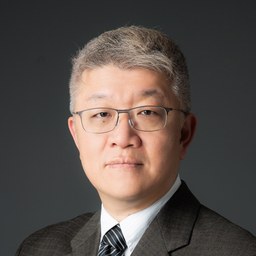
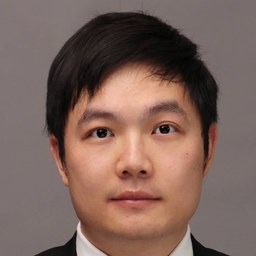
Christoph Stiller
Christoph Stiller
Organizer

Christoph Stiller studied Electrical Engineering in Aachen, Germany and Trondheim, Norway, and received the Diploma degree and the Dr.-Ing. degree (Ph.D.) from Aachen University of Technology in 1988 and 1994, respectively. He worked with INRS-Telecommunications in Montreal, Canada for a post-doctoral year as Member of the Scientific Staff in 1994/1995. In 1995 he joined the Corporate Research and Advanced Development of Robert Bosch GmbH, Germany. In 2001 he became chaired professor and director of the Institute for Measurement and Control Systems at Karlsruhe Institute of Technology, Germany. Dr. Stiller serves as immediate Past President of the IEEE Intelligent Transportation Systems Society, Associate Editor for the IEEE Transactions on Intelligent Transportation Systems (2004-ongoing), IEEE Transactions on Image Processing (1999-2003) and for the IEEE Intelligent Transportation Systems Magazine (2012-ongoing). He served as Editor-in-Chief of the IEEE Intelligent Transportation Systems Magazine (2009-2011). He has been program chair of the IEEE Intelligent Vehicles Symposium 2004 in Italy and General Chair of the IEEE Intelligent Vehicles Symposium 2011 in Germany. His automated driving team AnnieWAY has been finalist in the Darpa Urban Challenge 2007 and winner of the Grand Cooperative Driving Challenge in 2011.


Qries


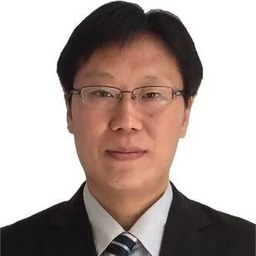
Manabu Tsukada
Manabu Tsukada
Organizer & Lecturer

Dr. Manabu Tsukada is currently an associate professor at the Graduate School of Information Science and Technology, the University of Tokyo, Japan. He is also a designated associate professor at the Center for Embedded Computing Systems, Nagoya University, Japan. He received his B.S. and M.S degrees from Keio University, Japan, in 2005 and 2007, respectively. He worked in IMARA Team, Inria, France, during his Ph.D. course and obtained his Ph.D. degree from Centre de Robotique, Mines ParisTech, France, in 2011. During his pre and postdoc research stages, he has participated in a multitude of international projects in the networked ITS area, such as GeoNet, ITSSv6, SCORE@F, CVIS, Nautilus6, or ANEMONE. He served as a board member of the WIDE Project 2014-2022. His research interests are mobility support for the next-generation Internet (IPv6), Internet audio-visual media, and communications for intelligent vehicles.


Qries


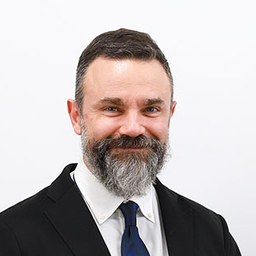
Scott Moura
Scott Moura
Organizer

Scott Moura is the Clare & Hsieh Wen Shen Distinguished Professor in Civil & Environmental Engineering and is an Associate Professor of Civil and Environmental Engineering at UC Berkeley. Moura’s research focuses on the areas of modeling, estimation, and control of energy systems. In January 2022, Moura became the new Faculty Director of the California Program for Advanced Transportation Technology (PATH) at Berkeley. In addition to his duties at PATH, Moura is also the Director of the eCAL, where he mentors undergraduate and graduate students, postdoctoral scholars, and visiting PhDs. Moura was presented with the ITS Faculty of the Year Award in 2020 in recognition of exemplary support of student research and education and his service to ITS. He is also the recipient of the ASME Division of Control Systems and Division Outstanding Young Investigator Award, National Science Foundation (NSF) CAREER Award, NSF Graduate Research Fellowship, and UC Presidential Postdoctoral Fellowship, among other notable accolades. Moura has served on the editorial board for the SAE International Journal of Connected and Automated Vehicles and has been a funding agency reviewer for the National Science Foundation, among others. Additionally, he is a member of several professional organizations, including the American Society of Mechanical Engineers, the Institute of Electrical and Electronics Engineers, and the Society of Hispanic Professional Engineers.


Qries


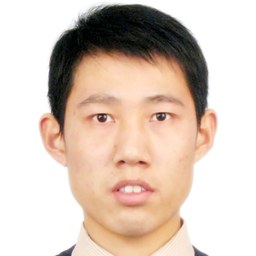
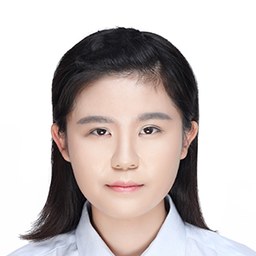
Catherine Elias
Catherine Elias
Organizer

Dr. Eng. Catherine M. Elias is a lecturer in Computer Science and Engineering Department, Faculty of Media Engineering and Technology (MET) at the German University in Cairo (GUC). She received her Ph.D. degree in Mechatronics Engineering from the GUC in Dec. 2022 in the field of Cooperative Architecture for Transportation Systems. She is currently the director of the Cognitive Driving Research in Vehicular Systems (C-DRiVeS Lab), working in the field of connected vehicles and autonomous driving stack development. She serves as a Board of Governors (BoG) member in the IEEE ITS Society during the interval 2023-2025, the 2023-2025 Co-chair of the committee on Diversity, Equity, and Inclusion in ITS committee chair.


Qries


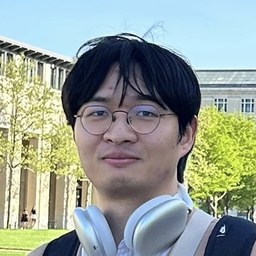
Matthieu Carré
Matthieu Carré
Organizer & Lecturer

Dr. Matthieu Carré is Head of Research and Innovation at Heex Technologies, a French deep-tech startup specializing in Smart Data solutions to enhance artificial intelligence applications for robotic systems. He obtained his PhD in Computer Science from the Université de Pau et des Pays de l'Adour (UPPA) in December 2019 through a CIFRE partnership with Renault Group. His thesis, supervised by Prof. Ernesto Exposito (UPPA) and Javier Ibañez-Guzmann (Renault), focused on designing self-adaptive, autonomic frameworks for runtime safety assurance in Level 4 autonomous driving systems. Matthieu specifically applied his innovative approach to pedestrian safety scenarios, demonstrating practical implementation in real-world contexts using ROS1 middleware. Matthieu joined Heex Technologies as R&D Engineer in 2020, advancing to Engineering Team Lead on Embedded Agent and SDK in May 2023. Since January 2024, he has been serving as Head of Research and Innovation, leading projects in embedded and AI technologies. In this role, he has contributed to European projects, led initiatives focused on artificial intelligence and innovative solution design, and played a pivotal role in identifying and protecting intellectual property rights. He has also been instrumental in onboarding and supporting academic partners utilizing Heex's solutions in their research projects.


Qries


Lei Zhong
Lei Zhong
Industry Advisor

Lei Zhong is the Liaison Chair of the Automotive Edge Computing Consortium (AECC), an industry consortium dedicated to advancing edge computing and data-driven architectures for connected and intelligent mobility. He has been actively promoting cross-industry collaboration among automotive, telecommunications, and cloud ecosystem partners to accelerate interoperable solutions and industry standards. His research interests include wireless networking, edge computing, machine learning, connected vehicles, and big data analytics. He has co-authored more than 100 technical publications and holds over 50 patents in these areas. Dr. Zhong also actively contributes to the academic community as Vice-Chair of the IEEE TCGCC Special Interest Group on Green Internet of Vehicles and serves on the editorial boards of Elsevier Vehicular Communications, IEEE Internet Computing, and the IEEE Open Journal of the Computer Society.


Chi-Sheng (Daniel) Shih
Lecturer

Dr. Chi-Sheng Shih is a professor at the Graduate Institute of Networking and Multimedia and the Department of Computer Science and Information Engineering at National Taiwan University. He is also the Director of the Center of Artificial Intelligence and Advanced Robotics at National Taiwan University. He received a B.S. in Engineering Science and an M.S. in Computer Science from National Cheng Kung University in 1993 and 1995, respectively. In 2003, he received his Ph.D. in Computer Science from the University of Illinois at Urbana-Champaign. His main research interests include embedded systems, hardware/software codesign, real-time systems, cyber-physical systems, and autonomous systems. His research results won several awards, including the 2024 IICM Thesis Award, the 2023 Best Paper Runner-Up Award at ACM RACS, the 2022 Future Tech Award (AIAugSurgery), the 2022 1st Andes Awards of RISC-V Creative Competition, the 2019 National Innovation Award, and best paper awards at MobiSec/Future ICT 2019, IEEE International Symposium on Cloud and Service Computing 2016, ACM RACS 2011, IEEE RTCSA 2005, and IEEE RTSS 2004. He leads the NTU RoboPAL team, which won first place in the Shield Challenge of the Standard Platform League in RoboCup 2018. He is also Associate Editor of IET Cyber-Physical Systems: Theory and Applications and the Springer Journal of Services-Oriented Computing and Applications (SOCA).

Between September 2018 and July 2019, Dr. Shih took a position at LiLee Systems as Chief Scientist and participated in projects related to autonomous vehicles. Between August 2019 and July 2022, he served as Director of the Graduate Institute of Networking and Multimedia at National Taiwan University and Interim Director of the High Performance and Scientific Computing Center. From November 2025 he again served as Director of the Center of Artificial Intelligence and Advanced Robotics, and from March 2026 as Associate Dean of the College of Electrical Engineering and Computer Science at National Taiwan University. Dr. Shih also participated in the development of open-source middleware for autonomous driving at the Autoware Foundation and serves as Chair of the Autoware Foundation Taiwan Chapter.

Buying Time for Cooperative Driving: Latency Compensation and QoS-Aware 5G-TSN Networking for Connected Vehicles

Cooperative perception promises what no single vehicle can achieve alone: sight beyond occlusion, beyond line of sight, and beyond the range of any onboard sensor. Remote monitoring and intervention promise a human safety net for vehicles operating at the edge of their design domain. Both promises are paid for in time. End-to-end latency in 5G V2X ranges from roughly 54 ms to 358 ms and increases under congestion; 3D detection backbones add another 100–360 ms; and in-vehicle planning increasingly runs vision-language reasoning on embedded GPUs, consuming even more of the budget. Half a second of staleness is enough to place another vehicle at the wrong location, enough to turn a safe wait into an overtaking collision. This lecture is about how to buy that time back, from two complementary directions.

The first is the network. The lecture introduces DQM, a dynamic QoS-mapping and QoS-aware shaping mechanism over an integrated 5G–TSN architecture for one-to-many remote monitoring and driving. Vehicle traffic is heterogeneous: control messages need a kilobit per second but tolerate only 50 ms at 99% timeliness, while video and point-cloud streams consume megabits and tolerate more delay. Static priority assignment cannot survive a fleet whose size and workload change without notice. By combining k-means flow aggregation with rough-set remapping and adaptive credit idle-slope control, DQM makes bandwidth follow QoS requirements rather than fixed labels, holding tardy delivery of safety-critical control traffic to 0.4–0.5% on a congested channel where credit-based shaping degrades to 1.3–5%.

The second is prediction at the perception layer. Since latency cannot be eliminated, it can be anticipated. TransComNet, a transformer-based point-cloud prediction model, inverts the usual division of labor: rather than having receivers correct stale data, each sender forecasts its future frames before transmission, and each receiver selects the frame matching its own clock. Self-attention over historical frames captures temporal and spatial structure a Kalman filter misses, and point-level prediction preserves accuracy that feature-level compensation discards. Usable latency tolerance rises from 100 ms to 1000 ms, average precision improves by up to 6.38% over the state-of-the-art compensator, with the largest gains on occluded moving vehicles, and receiver-side inference stays constant at 53.3 ms regardless of how many agents join.

The lecture offers an interwoven stack in which they compose: DQM guarantees safety-critical data arrives within a bounded delay under contention, while TransComNet ensures whatever arrives is aligned with the receiver's present rather than its past. Together they turn latency from an unpredictable hazard into a budgeted, engineerable quantity, on a deployable reference platform attendees can reproduce, extend, and build their own research upon.


Celimuge Wu
Celimuge Wu
Lecturer

Celimuge Wu is a Professor and Director of the Meta-Networking Research Center at The University of Electro-Communications, Japan. His research interests include semantic communications, vehicular networks, edge computing, the Internet of Things (IoT), and AI-driven wireless networking and computing. He serves as an Associate Editor for IEEE Transactions on Networking, IEEE Transactions on Cognitive Communications and Networking, IEEE Transactions on Network Science and Engineering, and IEEE Transactions on Green Communications and Networking. Professor Wu is a recipient of the 2021 IEEE Communications Society Outstanding Paper Award, the 2021 IEEE Internet of Things Journal Best Paper Award, the 2020 IEEE Computer Society Best Paper Award, and the 2019 IEEE Computer Society Best Paper Award Runner-Up. He is a Distinguished Lecturer of the IEEE Vehicular Technology Society. He is a Fellow of the Asia-Pacific Artificial Intelligence Association (AAIA).

Semantic Communication System for Remote Driving

This talk presents a novel low-latency semantic video communication framework tailored for remote driving scenarios. Unlike conventional video transmission approaches, the proposed system adopts an asymmetric encoder-decoder architecture that significantly reduces transmission overhead by conveying only a compact set of semantic features rather than raw video data. At the receiver, high-quality video is reconstructed using advanced generative AI techniques, enabling both low latency and high visual fidelity. To validate the proposed framework, we design and implement a prototype system that seamlessly integrates semantic feature extraction, efficient transmission, and deep learning-based video reconstruction. Experimental results demonstrate the effectiveness of the proposed approach in achieving ultra-low latency while maintaining high visual quality, highlighting its strong potential for next-generation intelligent transportation systems.


Alexander Carballo
Alexander Carballo
Lecturer

Alexander Carballo received the Dr. Eng. degree from the Intelligent Robot Laboratory, University of Tsukuba, Japan. From 1996 to 2006, he was a Lecturer with the School of Computer Engineering, Costa Rica Institute of Technology. From 2011 to 2017, he worked in LiDAR research and development at Hokuyo Automatic Company, Ltd. From 2017, he joined Nagoya University as Designated Associate Professor affiliated to the Institutes of Innovation for Future Society. Lastly, from 2022 he was appointed permanent Associate Professor at the Graduate School of Engineering in Gifu University, Japan. He is a professional member of IEEE Intelligent Transportation Systems Society (ITSS), IEEE Robotics and Automation Society (RAS), Robotics Society of Japan (RSJ), Asia Pacific Signal and Information Processing Association (APSIPA), the Society of Automotive Engineers of Japan (JSAE), and the Japan Society of Photogrammetry and Remote Sensing (JSPRS). His main research interests include LiDAR sensors, robotic perception, and autonomous driving.

Self-Driving under Adverse Weather Conditions: Sensor Performance, Robust Perception, and Enhancement Techniques

Autonomous vehicles rely on advanced perception systems and V2X technologies to perceive, understand, predict, and safely operate in complex real-world environments. Despite significant progress in recent years, reliable operation under adverse weather conditions remains one of the major challenges preventing large-scale deployment of highly automated driving systems. Rain, fog, snow, dust, and other environmental factors can significantly degrade sensor performance and reduce perception accuracy. In this lecture, we will review the sensing technologies commonly used in autonomous vehicles, including cameras, LiDARs, radars, and V2X systems, and analyze their strengths and limitations under challenging weather conditions. We will then discuss recent approaches for improving perception robustness, including sensor fusion, weather-aware perception models, data augmentation, domain adaptation, and emerging sensing technologies. The lecture will conclude with an overview of current research trends and future directions toward achieving reliable autonomous driving in all-weather conditions. In addition to the theoretical foundations, the lecture includes hands-on activities in which participants will interact with real sensors, perception software stacks, and adverse-weather datasets, providing practical experience with the challenges and solutions of autonomous driving in real-world environments.


Zhi Liu
Zhi Liu
Lecturer

Zhi Liu is currently an associate professor with tenure at The University of Electro-Communications, Japan. His research interest is mainly on CPS, multimedia system and mobile networks. The research results have been published in more than 200 prestigious IEEE/ACM journal and conference papers. He has also been awarded the IPSJ/IEEE Computer Society Young Computer Researcher Award, IEEE Andrew P. Sage Best Transactions Paper Award and several Best Paper Awards at IEEE conferences. He currently serves as or has served an Associate Editor of IEEE TMM, IEEE TCSVT, IEEE TNSE, IEEE Network and IEEE Wireless Communications. He is serving or has served as Area Chair of ACM MM24/25/26, senior area chair or area chair of IEEE ICME23-26, to name a few. He currently serves as the Secretary of IEEE ComSoc Communications Software and Multimedia (CSM). He is a senior member of IEEE and a Distinguished Lecturer of the IEEE Vehicular Technology Society.

Tackling Corner Cases in Autonomous Driving: A Hierarchical Policy Network of Arbiter and Experts

Autonomous driving systems aim to navigate the world safely and efficiently, yet the two dominant paradigms each fall short: the modular approach is interpretable but brittle and sub-optimal, while the end-to-end approach is powerful but opaque, with unverifiable safety and poor performance in rare long-tail scenarios. This talk presents a Hierarchical Policy Network (HPN) that combines the strengths of both. HPN decomposes driving into mutually exclusive, collectively exhaustive driving primitives, each handled by an end-to-end Expert model trained on scenario-specific data. A high-level Arbiter, operating on a shared BEV world representation, selects the active Expert, and every proposal is verified by a rule-based Policy Gateway before activation. Primitives are organized into four priority tiers with strict preemption, granting the rarest and most critical events the highest authority.


Ehsan Javanmardi
Ehsan Javanmardi
Lecturer

Ehsan Javanmardi is a Specially Appointed Lecturer (Senior Assistant Professor) at the Graduate School of Information Science and Technology, The University of Tokyo, and a Visiting Faculty Member at Nagoya University's Graduate School of Informatics. He earned his Ph.D. in Information and Communication Engineering from the University of Tokyo in 2018, during which he was also a visiting scholar at the University of California, Berkeley. He subsequently conducted postdoctoral research at the Institute of Industrial Science, The University of Tokyo, before joining the Department of Creative Informatics as a Specially Appointed Assistant Professor in 2022. His research focuses on artificial intelligence for autonomous driving, with particular interests in connected and cooperative automated driving, autonomous vehicle simulation, perception, localization, mapping, and decision-making. He has contributed to several major national research initiatives, including CooL4 (METI/MLIT, RoAD to the L4), JST CRONOS, JST ASPIRE, and projects supported by the Suzuki Foundation. He is a co-developer of several open-source platforms and datasets, including the V2X End-to-End Simulator, the Simple-AV cooperative driving framework, and the URT-Kashiwa dataset. His contributions have been recognized with the IEEE Intelligent Transportation Systems Society Award (2017) and multiple best paper and challenge awards, including the CVPR 2025 MEIS V2X Challenge.

Toward Safer Connected Mobility: Advances in Cooperative Autonomous Driving

This talk presents ongoing research in cooperative autonomous driving, where vehicles and road infrastructure share information to drive more safely and efficiently than vehicles acting alone. It introduces the motivation and key challenges of the field and reviews the current state of the art in the domain. It then walks through the tools developed to design, test, and evaluate cooperative driving systems, including a V2X end-to-end evaluation platform and a simulator for cooperative driving. The talk shares results and insights gained through this work, and closes with lessons learned and a vision for the future of connected, cooperative mobility.


Bo Qian
Bo Qian
Lecturer

Bo Qian received the B.S. and M.S. degrees from the College of Mathematics at Sichuan University, Chengdu, China, in 2015 and 2018, respectively, and the Ph.D. degree in Information and Communication Engineering at Nanjing University, Nanjing, China, in 2022. From 2022 to 2024, he was a Postdoctoral Fellow with the Peng Cheng Laboratory, Shenzhen, China. From 2024 to 2026, he worked as a Researcher and Assistant Professor (Special Appointment) at the Information Systems Architecture Science Research Division, National Institute of Informatics, Tokyo, Japan. Currently, he is an Assistant Professor (Special Appointment) with the Graduate School of Information Science and Technology, The University of Tokyo, Japan. His research interests include cellular RAN, SAGIN, IoV, and Industrial Internet. He has published over 50 papers in leading journals and conferences, including IEEE JSAC, IEEE TMC, and IEEE INFOCOM, etc. He has won multiple best paper awards, including IEEE GLOBECOM, IEEE VTC-Fall, and WCSP, etc. He has served as the Youth Editor and Guest Editor for some SCI Journals, Lead TPC Chair for IEEE INFOCOM 2026 DOICT-IndSoc Workshop, Co-Chair for IEEE/CIC ICCC 2025 AI-Native RAN Workshop, and Symposium Co-Chair for AIPIP 2026.

From Traffic Lights to Collision-Free Coordination: V2X Scheduling for Automated Vehicles at Unsignalized Intersections

Unsignalized intersections offer a promising way to improve the efficiency of future cooperative automated driving, but they also move the burden of safety from traffic lights to real-time vehicle coordination. In this lecture, I will revisit our early work on V2X-enabled collision-free scheduling for automated vehicles at unsignalized intersections, where we formulated the scheduling task as an absolute value programming problem and proposed low-complexity optimal-entering-time based algorithms to reduce computation and communication overhead. I will then briefly introduce some follow-up studies that extended this idea toward AI-based management, multi-intersection learning, edge-assisted deployment, and practical communication support.


Wencan Mao
Wencan Mao
Lecturer

Wencan Mao is a post-doctoral researcher at the National Institute of Informatics (NII), Tokyo, Japan. She received her D.Sc. degree in the Department of Information and Communications Engineering from Aalto University, Espoo, Finland, in 2023, her M.S. degree in Mechanical Engineering from Aalto University, Espoo, Finland, in 2019, and her B.E. degree in Vehicle Engineering from Wuhan University of Technology, Wuhan, China, in 2017. She has been an active researcher, publishing high-quality scientific papers in international journals and conference proceedings. She is also a facilitator of international collaborations between Asian and Nordic universities. Her research interests include edge computing, reinforcement learning, smart and sustainable cities, Intelligent Transportation Systems, and the Internet of Things.

Capacity Planning for Vehicular Fog Computing

In recent years, autonomous driving has attracted great attention from both academia and industry. To meet the computational demand generated by compute-intensive and latency-critical vehicular applications, fog computing reduces the latency by moving the computational resources close to where data is generated. VFC is an emerging computing paradigm where fog nodes deployed on moving vehicles complement stationary fog nodes to satisfy the spatiotemporally varying demand for computing resources in a cost-efficient manner. However, due to the high mobility of vehicles and the uncertainty in the vehicular traffic environment, some challenges remain to be addressed before the real-world implementation of VFC. This talk focuses on capacity planning for VFC, considering the dynamic demand and supply of computational resources.


Vishal Chauhan
Vishal Chauhan
Lecturer

Vishal Chauhan is an HCI researcher studying how people interact with autonomous vehicles, robots, and intelligent systems, and how these systems can communicate their intentions more clearly. His doctoral research at the University of Tokyo, supervised by Prof. Manabu Tsukada, focuses on the Smart Pole Interaction Unit (SPIU), an infrastructure-based eHMI designed to communicate the intentions of nearby autonomous vehicles to pedestrians. He has evaluated SPIU in virtual reality, with participants in Japan and Norway, and in the field using a physical prototype and a real vehicle. This work received an Honourable Mention Award at ACM CHI 2026 and has also been published in the International Journal of Human-Computer Studies (IJHCS) and presented at ACM VRST. He also works part-time at Tier IV, contributing to the open-source Autoware stack. Across his research, he focuses on designing smart city technologies and intelligent systems that support human judgment, context, and decision-making in complex real-world interactions.

Who Goes First? Reducing Pedestrian Decision-Making Burden with Infrastructure-Side eHMI in Shared Spaces

Pedestrians read a driver's eyes and gestures to judge whether it is safe to cross. An autonomous vehicle (AV) has no driver, so those cues disappear. On ordinary roads, traffic signals help structure this interaction. In shared spaces, where pedestrians and AVs mix more freely without conventional signals, deciding when to cross can require real effort, time, and confidence from the pedestrian.

The usual answer is to put a display on the AV (eHMI). That can work for one AV, but it says little about the vehicle behind it, may not always be clearly visible, and when multiple AVs communicate different messages, the pedestrian may face even more uncertainty.

I will present the Smart Pole Interaction Unit (SPIU), which moves the display off the AV and onto the roadside. It gathers intent from nearby AVs and gives the pedestrian one advisory signal instead of several competing ones. The talk follows SPIU through four studies: a VR experiment examining pedestrian crossing decisions, a design study comparing human participants with three multimodal LLMs, a cross-cultural evaluation in Japan and Norway built on AWSIM and Autoware, and a field study with a physical prototype and a real AV.

SPIU currently supports one-way communication from the vehicle to the pedestrian, providing a unified advisory signal without changing how the AV itself plans. A natural next step is to extend this into two-way communication, allowing pedestrian intent to also inform the automated vehicle and enabling richer interaction in shared spaces.


Yun Li
Yun Li
Lecturer

Yun Li is a Ph.D. candidate in the Department of Creative Informatics, Graduate School of Information Science and Technology, The University of Tokyo, supervised by Prof. Manabu Tsukada. He is also a student researcher at TIER IV and a JSPS Research Fellow (DC2). His research focuses on making generative models safer and more practical for autonomous-driving systems, spanning preference alignment for vision-language-action models and real-time diffusion-based motion planning.

Toward Safe and Real-Time Generative Models for Autonomous Driving: VLA and Diffusion Planning

Autonomous-driving benchmarks are improving rapidly, but two obstacles still limit deployment. Vision-language-action models can reason about complex scenes, yet they mainly learn to imitate observed driving without an explicit preference for safer behavior. Diffusion planners can generate high-quality trajectories, but their iterative and often monolithic design makes real-time deployment difficult.

My PhD research addresses these two gaps through preference alignment: teaching generative models to favor better driving behaviors by comparing alternative trajectories. For vision-language-action models, I developed a sequence of methods that progresses from simple safe-versus-risky comparisons to ranking multiple actions by risk, preserving confidence in good actions, and adding runtime safety supervision. For diffusion planning, I decomposed a large planner into modular components, enabling budget-adaptive denoising, geometric guidance during inference, and reward-based fine-tuning within an Autoware/ROS 2 stack.

The talk will show how these two directions complement each other. Vision-language-action models provide slower semantic reasoning for long-tail situations, while diffusion models provide fast trajectory generation at every control cycle. I will conclude with practical lessons on closed-loop evaluation, real-time deadlines, and designing learning methods around the constraints of the complete driving system.


Abhishek Dinkar Jagtap
Lecturer

Abhishek Dinkar Jagtap is a PhD student at Technische Hochschule Ingolstadt (THI), supervised by Prof. Andreas Festag. His research sits at the intersection of cooperative perception and uncertainty quantification for connected and automated driving, addressing how data- and model-related uncertainties arise, propagate, and affect safety-critical decisions in V2X-enabled perception systems. He holds a Master's degree in Robotics and Autonomous Systems.

Beyond Validation: Understanding and Managing Uncertainty in Connected and Automated Driving

As AI-based perception, prediction, and decision-making modules become central to connected mobility, quantifying predictive uncertainty, both data-related (sensor noise, incomplete or asynchronous V2X information) and model-related (epistemic uncertainty due to out-of-distribution data), is essential to achieve reliable and trustworthy cooperative automated driving. This Research Impulse proposes moving beyond validation toward a systematic, interdisciplinary understanding of uncertainty across the CAD stack, from sensor and communication layers, through AI-based cooperative perception to downstream decision-making and control.


Daniel Maksimovski
Daniel Maksimovski
Lecturer

Daniel Maksimovski received the B.Sc. degree in Motor Vehicles from the Faculty of Mechanical Engineering, Ss. Cyril and Methodius University in Skopje, North Macedonia, and the M.Eng. degree in International Automotive Engineering from the Faculty of Electrical Engineering and Information Technology, Technische Hochschule Ingolstadt (THI), Germany, where he is currently pursuing the Ph.D. degree and preparing for his upcoming dissertation defense. He was a Guest Researcher at the Graduate School of Information Science and Technology, The University of Tokyo. He is a Researcher at CARISSMA, a research and testing center for vehicle safety. His research interests include V2X communication, connected and automated vehicles, cooperative driving, intelligent transportation systems, maneuver planning, and cooperative maneuver coordination. He received the Best Graduate Student Award from Ss. Cyril and Methodius University.

Priority-Based Cooperative Maneuver Coordination for Connected and Automated Vehicles

Vehicle-to-Everything (V2X) communication enables connected and automated vehicles to exchange planned trajectories and coordinate cooperative maneuvers. This talk presents a decentralized approach for priority-based maneuver coordination, covering the maneuver coordination application and service, the Maneuver Coordination Message (MCM), and cooperative maneuver planning based on maneuver priority and cooperation costs. Different priority levels are used to represent the urgency of cooperative maneuvers and to guide both maneuver decisions and communication quality of service. The talk further presents mechanisms for reliable maneuver coordination under increasing V2X channel load, including MCM prioritization, adaptive message generation rules, and multi-channel operation. The concepts are evaluated in simulation using highway merging and lane-change scenarios, with results demonstrating improvements in maneuver safety, coordination efficiency, and communication scalability.


Qries


Ryohsuke Mitsudome
Ryohsuke Mitsudome
Lecturer

Ryohsuke Mitsudome is the chair of the Technical Steering Committee of the Autoware Foundation (AWF) with eight years of experience developing Autoware, the open-source autonomous driving software hosted under AWF. His work focuses on facilitating communication and collaboration among the technical projects in the Autoware community, including organizing work group activities, managing technical contributions from AWF member companies, and designing the technology roadmap of Autoware.

Autoware: Building Cooperative Autonomy through Open Source

Cooperative autonomy requires more than individual vehicles with advanced perception and planning capabilities. It also requires well-defined interfaces that allow vehicles, infrastructure, external services, and heterogeneous software components to exchange information and work together reliably.

In this talk, I will introduce Autoware as an open-source platform for building and deploying autonomous driving systems, with a particular focus on the role of interfaces. I will discuss how Autoware defines and organizes interfaces across different layers of the autonomous driving stack, including sensing, perception, planning, control, vehicle systems, and external communication. These interfaces are essential not only for system integration, but also for enabling interoperability, reproducibility, and collaboration across research and industry.

I will then discuss how this interface-oriented architecture can evolve as autonomous driving moves toward data-driven and end-to-end approaches. Rather than treating end-to-end models as a replacement for the entire software stack, we explore how they can be integrated into Autoware while maintaining clear system boundaries, observability, and compatibility with existing components. This hybrid approach can provide a practical path toward combining the flexibility and learning capability of end-to-end methods with the reliability and extensibility of a modular open-source ecosystem.

Finally, I will share our perspective on how Autoware can serve as a common platform for future research in cooperative and AI-driven autonomy.


Location

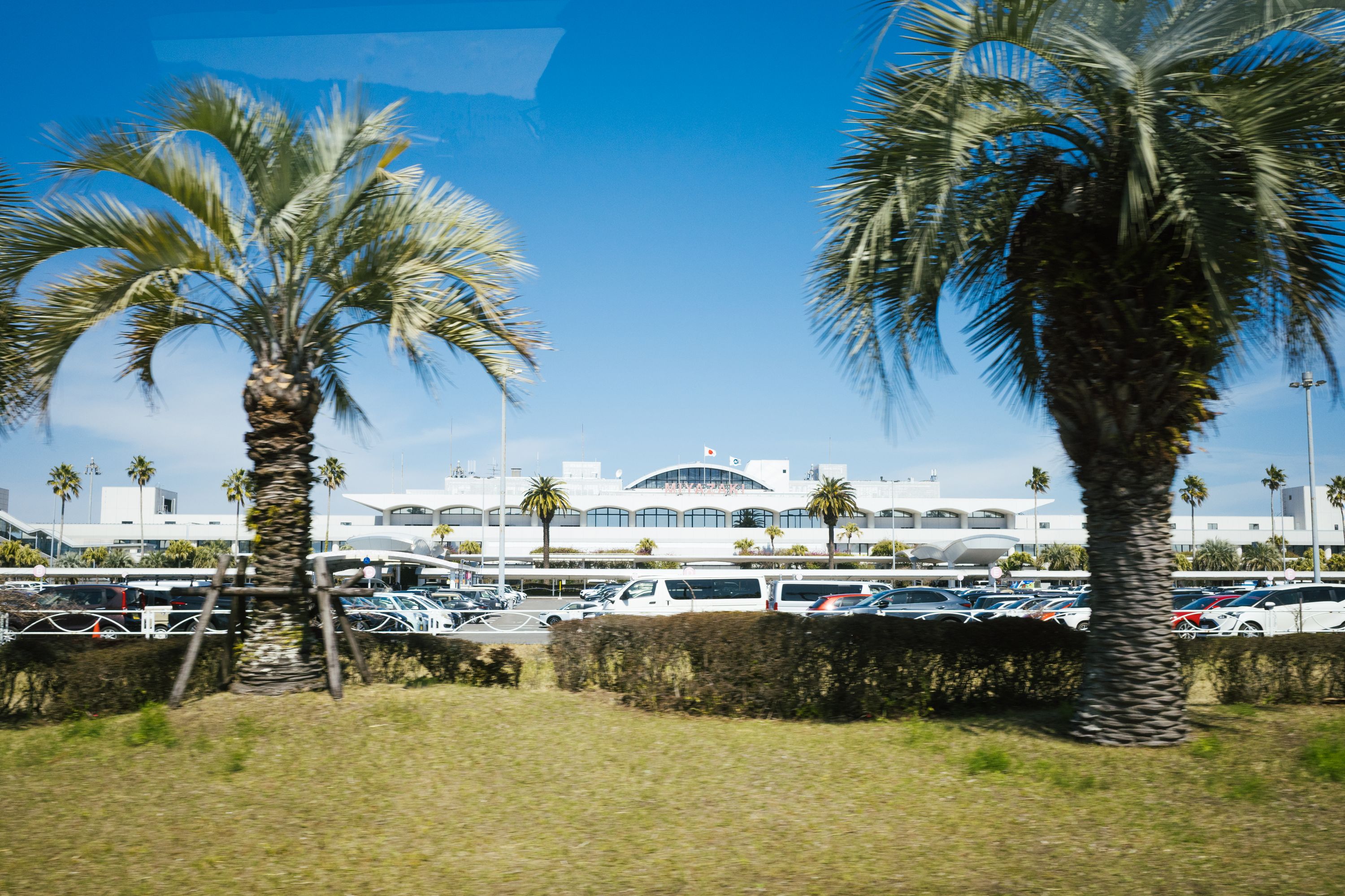
The Sixth CIV Summer School will be held at the Phoenix Seagaia Resort in Miyazaki City, Japan 🇯🇵 — a vibrant coastal city on the southeastern shore of Kyushu.


Miyazaki City

🌴 Why Miyazaki?

  • A warm, subtropical climate with scenic coastline and lush surroundings
  • A growing hub for technology, innovation, and academic exchange in southern Japan
  • Accessible by air (Miyazaki Airport) with direct flights from major Japanese cities
  • A rich cultural heritage with shrines, gardens, and renowned local cuisine

This inspiring setting will provide the perfect backdrop for deep discussions on autonomous and interactive vehicles, cooperative mobility, data, AI, and smart transportation.


📍 Venue

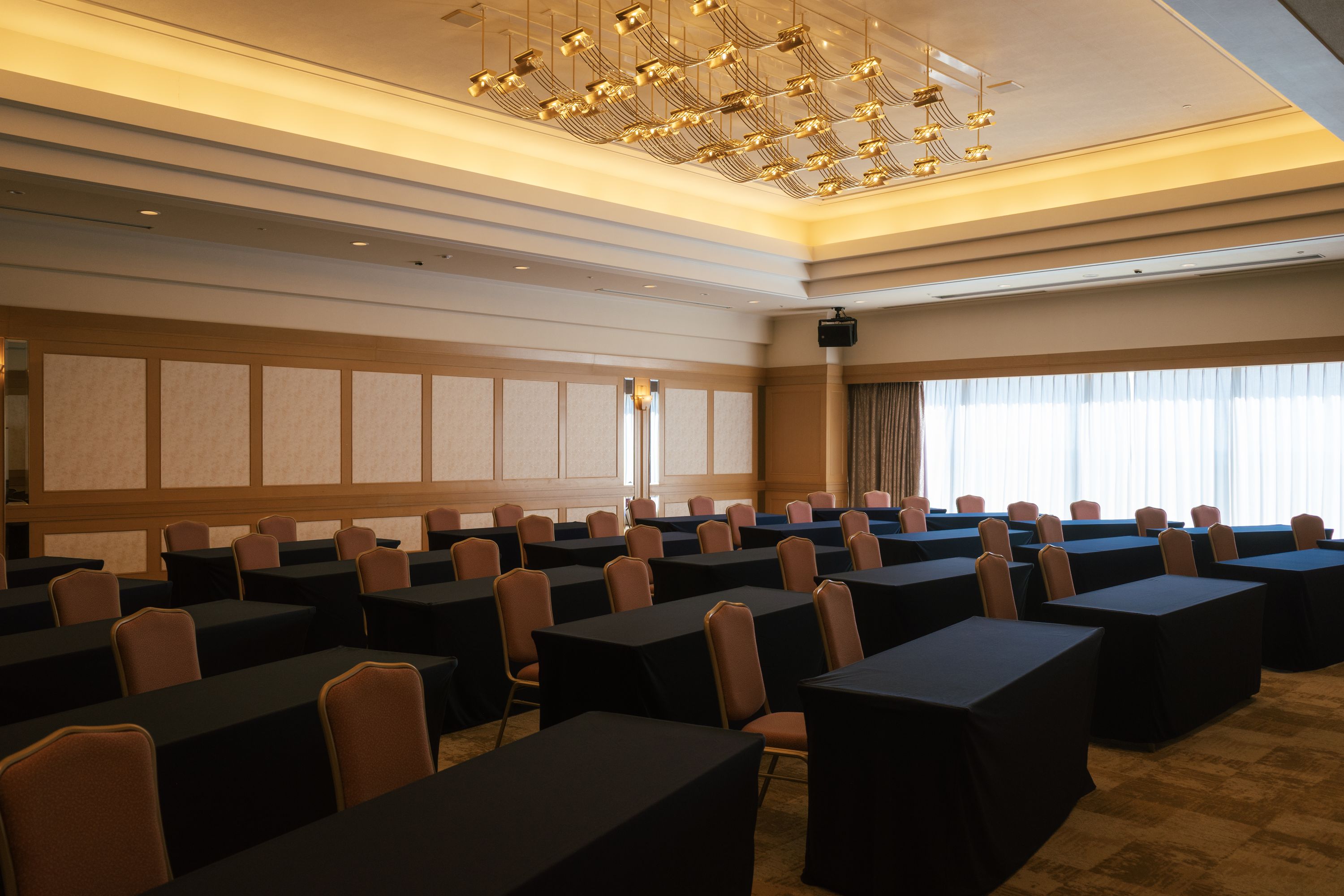
All lectures, poster sessions, and the hackathon take place in the Crystal Room of the Seagaia Convention Center at the Phoenix Seagaia Resort, a world-class conference venue set in a 700-hectare black pine forest stretching along the Pacific coast of Miyazaki.

Seagaia Convention Center, Phoenix Seagaia Resort
Hamayama Yamasakicho, Miyazaki, 880-8545, Japan

🏨 Accommodation

Participants are accommodated at two properties within the resort, both at Hamayama Yamasakicho, Miyazaki, 880-8545:

  • Phoenix Seagaia Resort (フェニックス・シーガイア・リゾート) — the resort's 154-metre Ocean Tower, where every room faces the Pacific Ocean
  • Miyazaki Sea Gaia Cottage Himuka (シーガイア・フォレスト・コテージ) — vacation-home-style cottages nestled in the pine forest, a few kilometres from the venue

Room assignments are communicated by the organizers before arrival. If you wish to extend your stay before or after the Summer School, please book directly with the Seagaia hotels; please note that we cannot guarantee you will keep the same room for the extended nights.

✈️ Getting there

Miyazaki Airport has direct flights from major Japanese cities (Tokyo Haneda, Osaka Itami, Nagoya, Fukuoka) and is a 10-minute train ride from Miyazaki Station. The resort is roughly a 20-minute taxi ride from Miyazaki Station.

🚌 Designated shuttle bus

A designated shuttle bus is provided on the arrival and departure days:

  • Monday, August 31 (arrival)
    • 15:00 – Pickup at Miyazaki Airport
    • 15:30 – Drop-off at Seagaia Forest Condominiums (student accommodation)
    • 15:40 – Drop-off at the Ocean Tower (single rooms)
  • Friday, September 4 (departure)
    • 16:00 – Shuttle bus from the venue back to Miyazaki Airport

Please note: these are the only designated buses. If you cannot take them, you will need to arrange your own transportation by public bus or taxi.

For any travel or accommodation questions, please contact us at [email protected].

Schedule

Arrival – Monday, Aug. 31st
15:00 Designated shuttle bus from Miyazaki Airport (see Location)
17:00 Welcome
19:00 Reception dinner
Day 1 – Tuesday, Sept. 1st
9:30 – 10:00 Welcome and introduction
10:00 – 10:45 Buying Time for Cooperative Driving: Latency Compensation and QoS-Aware 5G-TSN Networking for Connected Vehicles
Prof. Chi-Sheng (Daniel) Shih, National Taiwan University, Taiwan
10:45 – 11:30 Semantic Communication System for Remote Driving
Prof. Celimuge Wu, The University of Electro-Communications, Japan
11:30 – 12:00 From Traffic Lights to Collision-Free Coordination: V2X Scheduling for Automated Vehicles at Unsignalized Intersections
Dr. Bo Qian, The University of Tokyo, Japan
12:00 – 13:00 Lunch
13:00 – 13:45 Can AI Learn to Cooperate? What We Can Prove, What We Cannot Yet Define
Prof. Arnaud de La Fortelle, General Chair, France
13:45 – 14:30 Industry Perspectives on Cooperative Interactive Vehicles
Automotive Edge Computing Consortium (AECC)
14:30 – 15:00 Capacity Planning for Vehicular Fog Computing
Dr. Wencan Mao, National Institute of Informatics, Japan
15:00 – 15:30 Priority-Based Cooperative Maneuver Coordination for Connected and Automated Vehicles
Daniel Maksimovski, Technische Hochschule Ingolstadt (CARISSMA), Germany
15:30 – 17:00 Poster session with snacks & drinks
17:00 – 17:30 Who Goes First? Reducing Pedestrian Decision-Making Burden with Infrastructure-Side eHMI in Shared Spaces
Vishal Chauhan, The University of Tokyo, Japan
17:30 – 18:00 Toward Safe and Real-Time Generative Models for Autonomous Driving: VLA and Diffusion Planning
Yun Li, The University of Tokyo, Japan
18:00 – 18:15 Free time for exchanges
18:15 – 18:30 Group photo
18:30 Dinner
Day 2 – Wednesday, Sept. 2nd
9:30 – 10:15 Tackling Corner Cases in Autonomous Driving: A Hierarchical Policy Network of Arbiter and Experts
Prof. Zhi Liu, The University of Electro-Communications, Japan
10:15 – 11:00 Self-Driving under Adverse Weather Conditions: Sensor Performance, Robust Perception, and Enhancement Techniques
Prof. Alexander Carballo, Gifu University, Japan
11:00 – 16:00 Free time and optional discovery tour
16:00 – 17:00 Poster session with snacks & drinks
17:00 – 17:30 Autoware: Building Cooperative Autonomy through Open Source
Ryohsuke Mitsudome, TIER IV, Japan
17:30 – 18:00 Hackathon setup
18:00 – 19:00 Free time for exchanges
19:00 Izakaya dinner
Day 3 – Thursday, Sept. 3rd
9:30 – 12:30 Hackathon
12:30 – 14:15 Lunch break
14:15 – 14:30 Hackathon results
14:30 – 15:15 Toward Safer Connected Mobility: Advances in Cooperative Autonomous Driving
Dr. Ehsan Javanmardi, The University of Tokyo, Japan
15:15 – 15:45 Beyond Validation: Understanding and Managing Uncertainty in Connected and Automated Driving
Abhishek Dinkar Jagtap, Technische Hochschule Ingolstadt (THI), Germany
15:45 – 17:30 Hands-on session with Alexander Carballo
17:45 Bus departs the convention center for the BBQ venue
18:00 BBQ dinner
Last day – Friday, Sept. 4th
9:30 – 12:00 Interactive breakout session
12:00 – 13:00 Results of breakout session
13:00 – 14:30 Lunch
14:30 – 15:00 Conclusion and farewell
16:00 Designated shuttle bus to Miyazaki Airport (see Location)

The program is indicative and may be adapted slightly (e.g. in case of bad weather).

Application

Application Review Complete

Applications for the CIV Summer School 2026 are now closed. All applications have been reviewed and applicants have been notified of the results.

The details regarding the application process for the 2026 edition remain available here for reference:

Questions? Reach out to [email protected].